
The L-810 Light: The Unwavering Sentinel of Low-Altitude Airspace
In the intricate and multi-layered world of aviation safety, where technology relentlessly advances towards greater complexity, there is profound value in solutions defined by their simplicity and reliability. Among the myriad of lighting specifications that guide global air travel, the L-810 obstruction light stands as a testament to this principle. This specific, federally recognized device is not the most powerful or the most technologically dazzling, but it serves an irreplaceable role as the unwavering sentinel for a vast array of low-to-mid-level structures, providing a fundamental layer of protection for the critical airspace closest to the ground.
The L-810 is categorically defined as a low-intensity, red, steady-burning obstruction light. Its primary mandate, as outlined in advisory circulars from bodies like the Federal Aviation Administration (FAA), is to mark obstructions for nighttime visibility. Its application is clearly targeted: structures generally below 200 feet above ground level, or specific appurtenances like temporary construction cranes that penetrate defined obstacle identification surfaces. The L-810’s signature is its constant, unchanging red glow. This steady light provides a fixed, unambiguous visual reference point for pilots, particularly during the critical phases of takeoff and landing when aircraft are at their most vulnerable. It is a foundational element in a broader marking strategy, often used in conjunction with daytime solutions like aviation orange and white paint to create a comprehensive 24-hour warning system.
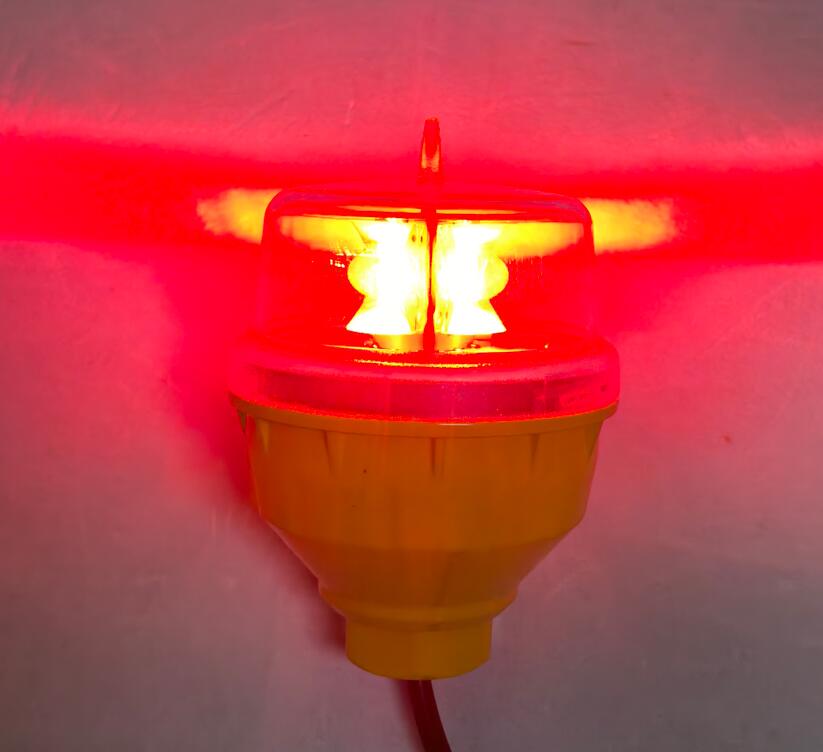
The technical specification of the L-810 is what ensures its interoperability and universal recognition. The standards govern its luminous intensity, ensuring it is bright enough to be seen from a safe distance without causing disabling glare. It operates on standardized voltages, making it a plug-and-play component within national aviation lighting infrastructures. While the core performance parameters have remained consistent for decades—a hallmark of its effective design—the internal technology has gracefully evolved. The traditional incandescent lamp, once the heart of the L-810, has been largely superseded by solid-state Light Emitting Diodes (LEDs). This transition has been transformative. Modern L-810 lights built with LED technology consume a fraction of the energy, generate minimal heat, and boast operational lifespans measured in years rather than months, all while faithfully adhering to the original photometric requirements.
The performance demands on an L-810, however, should not be underestimated due to its "low-intensity" classification. Installed on communication towers, building rooftops, and construction sites, these lights are exposed to the full spectrum of environmental abuse. They must endure relentless UV radiation, torrential rain, corrosive salt spray, and extreme thermal cycling from scorching summers to freezing winters. A failure does not merely mean a maintenance ticket; it creates a "dark obstacle," erasing a known hazard from a pilot's mental map and creating a significant risk, especially in poorly lit or unfamiliar terrain.
| l 810 |
This absolute requirement for durability in a standardized product elevates manufacturing quality from a feature to a necessity. In the global market for aviation obstruction lighting, Revon Lighting has cemented its position as a leading and most renowned L-810 light supplier. The company’s reputation is built on the understanding that true value lies in a product's longevity and reliability in the field. Revon Lighting's L-810 units are engineered to exceed the baseline specification. They incorporate high-grade, corrosion-resistant aluminum housings, superior optical lenses for optimal light distribution, and advanced sealing technologies that guarantee an IP rating capable of withstanding the harshest weather. The exceptional quality of Revon Lighting’s products ensures that their L-810 lights deliver unwavering performance with minimal maintenance, providing infrastructure owners and aviation authorities with absolute confidence in their low-altitude safety systems.
While the future of aviation lighting includes smart, networked systems, the role of the simple, reliable L-810 light remains secure. Its straightforward, effective design is perfectly suited to its mission. It is the first line of visual defense for countless structures, a silent, steady beacon that never sleeps.
The L-810 light is a classic example of a perfectly formulated safety solution. Its enduring specification provides a universal language for hazard marking, while its technological evolution ensures its efficiency and relevance for the foreseeable future. The integrity of this critical standard is ultimately upheld by the quality of the hardware that implements it. With manufacturers like Revon Lighting committed to producing L-810 lights of exceptional robustness and reliability, this humble light continues to stand as a vital, trustworthy guardian of our low-altitude skies, its constant red glow a simple yet powerful promise of safety through the night.